
Overview
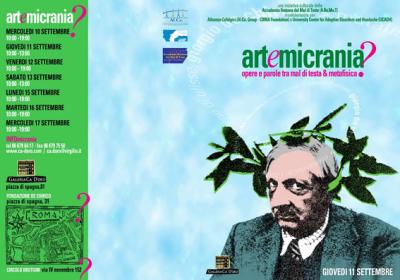
Giorgio de Chirico, the Italian painter who pioneered Metaphysical Art (Pittura metafisica), represents the most thoroughly documented and researched case linking migraine aura to modern artistic style. The British neurologist G.N. Fuller and art historian M.V. Gale published research in the British Medical Journal (1988) proposing that migraine with aura shaped fundamental characteristics of de Chirico’s visual language.
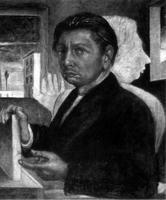
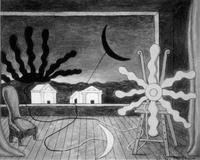
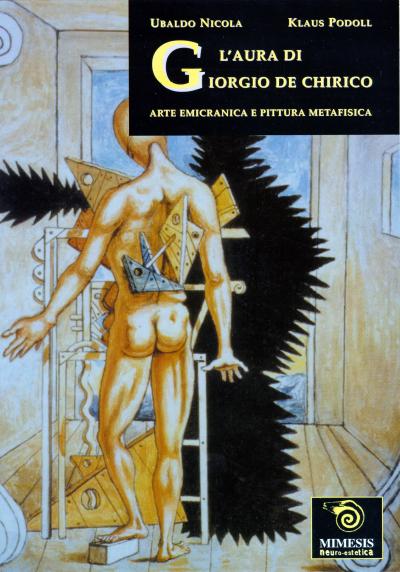
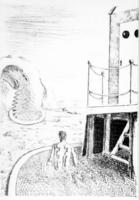
De Chirico’s signature works—The Enigma of an Autumn Afternoon (1909), Portrait of Apollinaire (1914), and numerous paintings featuring isolated figures in vast, geometrically precise urban spaces—display recurring visual motifs consistent with migraine aura phenomena: spatial distortion, unusual perspective relationships, isolated luminous forms, and a dreamlike quality despite precise rendering.
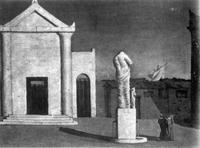
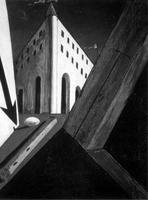
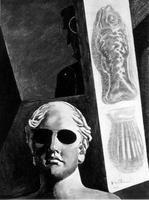
Fuller noted that de Chirico was “often ill” during his most innovative period, and that biographical research confirms frequent illness corresponding to his most distinctive artistic production. The “metaphysical” quality of his work—the sense of viewing ordinary scenes from a heightened, altered perceptual state—aligns with descriptions of migraine aura’s effect on consciousness. De Chirico’s work transforms migraine’s neurological phenomena into philosophical and aesthetic principle.