
Overview
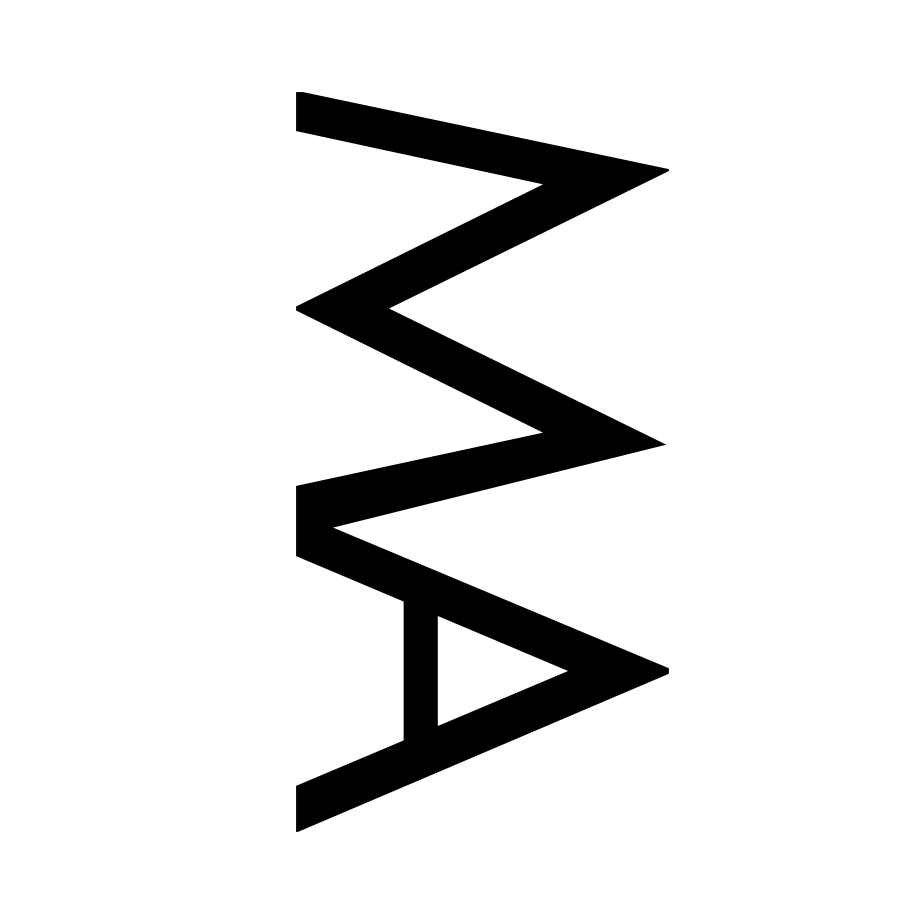
William Blake’s visionary works, particularly The Ancient of Days (1794), have prompted speculation about a possible migraine connection based on striking visual similarities to scintillating aura patterns. The painting’s characteristic moon-sickle shape and geometric lighting effects resemble the fortification spectrum—the zigzag patterns seen during migraine aura.
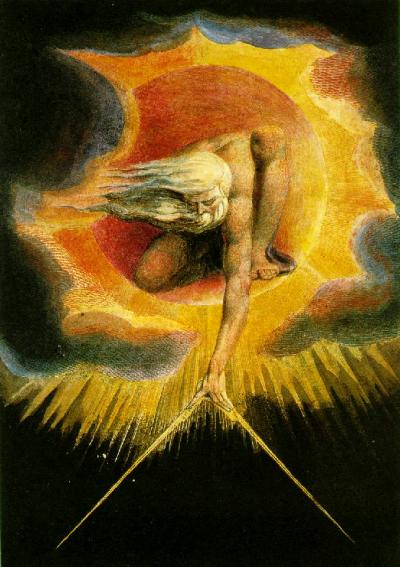
However, the migraine hypothesis for Blake differs from cases like Hildegard of Bingen: there is no biographical evidence, autobiographical writing, or contemporaneous documentation confirming that Blake actually suffered from migraines. The connection rests primarily on phenomenological similarity—the visual appearance of his work—rather than documented medical history.
Art historians and neuroscientists have noted that Blake’s fascination with visionary revelation and his repeated depictions of geometric light patterns could align with migraine aura phenomena. Yet without additional evidence, this remains a speculative interpretation. The power of Blake’s visions—whether neurological, spiritual, or imaginative—continues to inspire debate about the sources of artistic genius.