Overview
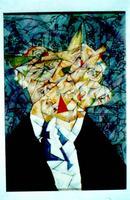
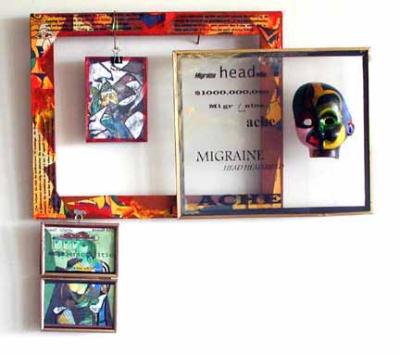
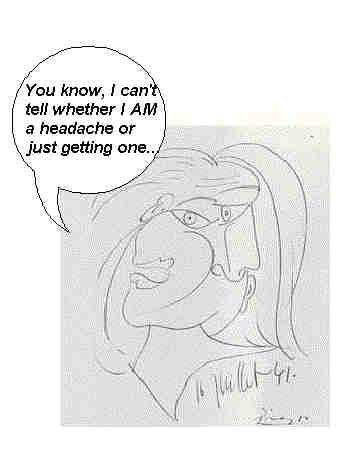
Pablo Picasso’s cubist and later fragmented styles have prompted speculation about a possible migraine connection, though biographical documentation of actual migraine diagnosis remains limited. The phenomenological similarity between migraine aura and cubist representation is striking: both involve the simultaneous perception of multiple perspectives, the fragmentation of unified visual space, and the presentation of disparate visual elements that somehow cohere into meaning.
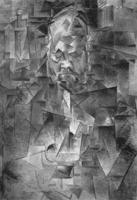
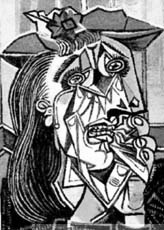
Oliver Sacks noted the parallel between migraine’s visual mosaic patterns and pointillist/cubist painting techniques. The hypothesis suggests that familiarity with such visual distortions could inspire artistic innovation, though Picasso’s cubism emerged from deliberate formal experiment rather than documented neurological experience.
The speculative nature of this connection—like that surrounding Blake—does not diminish its conceptual interest. It points to how visual artists, whether from direct neurological experience or imaginative engagement, have explored fragmented and non-Euclidean modes of representation that align with migraine’s disruption of normal visual perception.