

Overview
Wilhelm Busch (1832–1908) was a 19th-century German illustrator, caricaturist, and writer who pioneered the language of sequential visual narrative and comic storytelling. His work, including the satirical narrative Max and Moritz (1865), established conventions of comic illustration that influenced generations of artists. Busch’s rapid, expressive drawing style and his dynamic composition of visual narratives—breaking down action into successive frames—represented a distinctive approach to representing motion and perception.
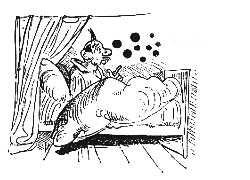
Though direct biographical evidence linking Busch to documented migraine is limited in the available source materials, his inclusion in this historical survey reflects broader scholarly interest in how 19th-century visual artists explored non-representational modes of perception and visual narrative structure. The sequential fragmentation inherent in comic narrative—the breaking apart and re-assembling of visual experience into discrete panels and frames—represents a mode of visual thinking that resonates with patterns of perception altered by neurological phenomena.
Busch’s influence on the development of graphic narrative and visual sequencing marks him as a significant figure in the history of how artists have approached the representation of temporal and perceptual experience distinct from traditional representational conventions.